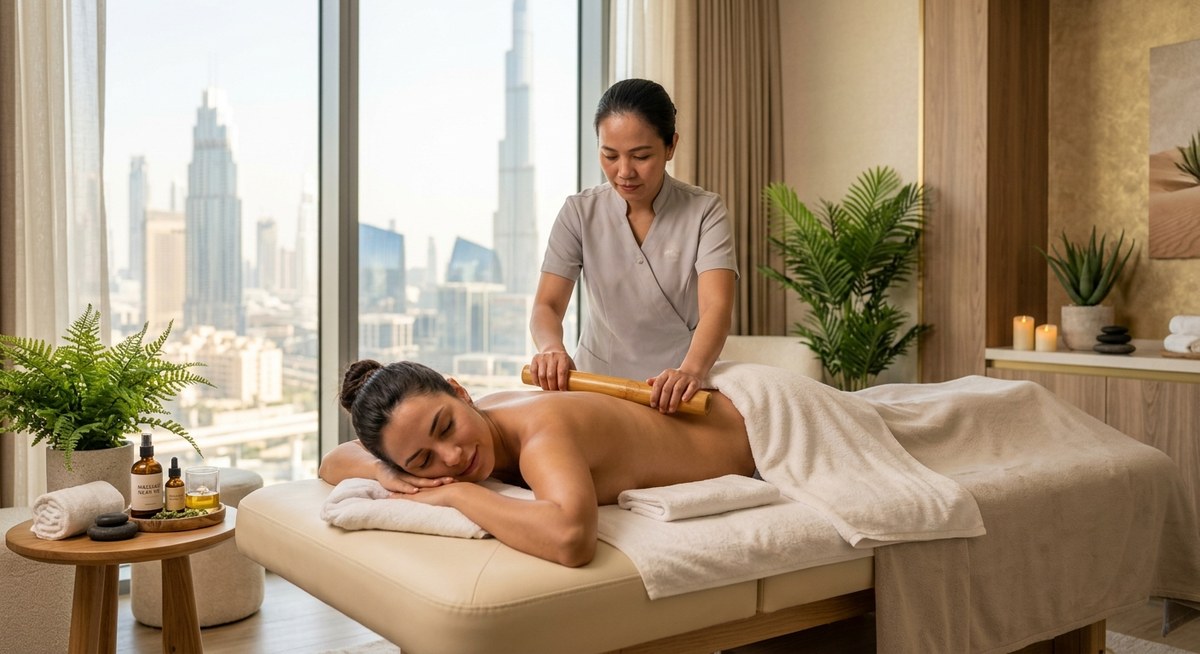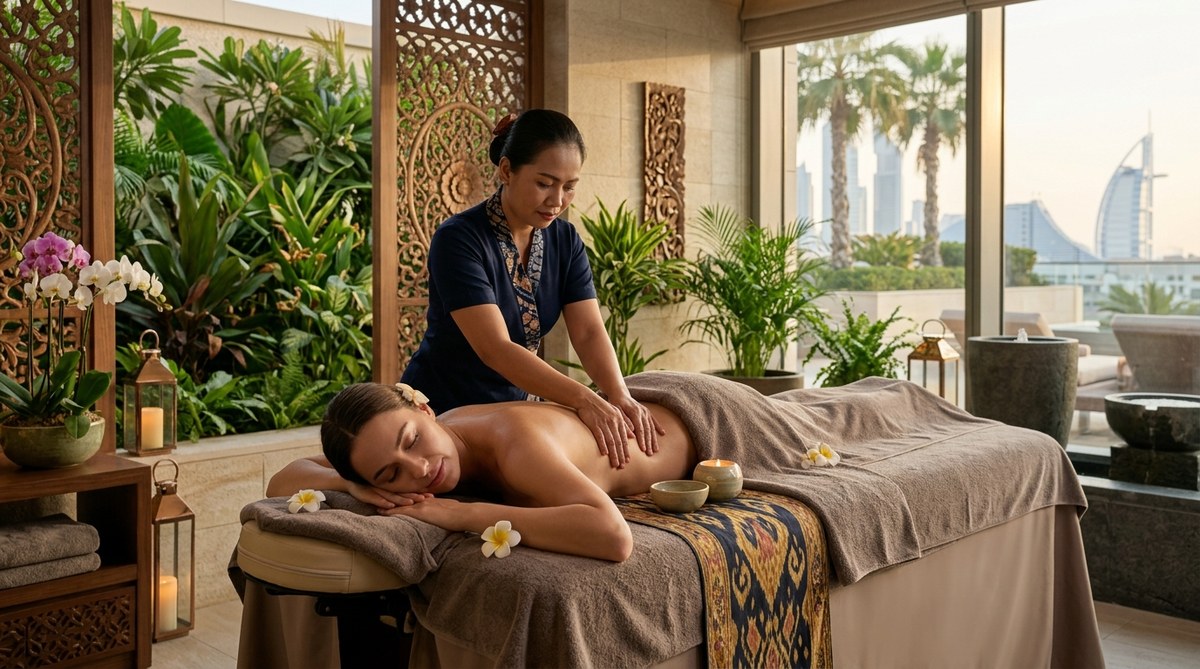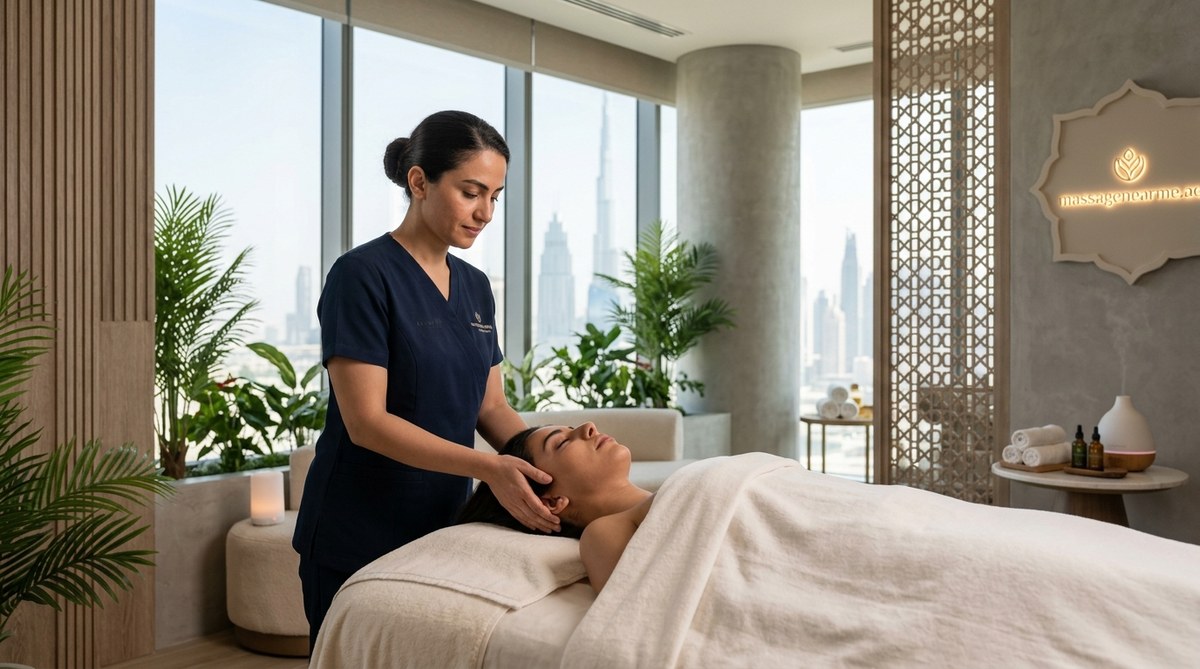
Picture a treatment so gentle that it feels like a quiet conversation between your body and the therapist’s hands. No twisting, no pressure, no noise. Just a soft, rhythmic touch that helps your nervous system remember how to relax. That is the promise of craniosacral therapy, and it is quickly becoming one of the most requested treatments at top spas across the UAE.
For busy professionals in Dubai and Abu Dhabi, the search for real stress relief often leads to alternative paths. Many have tried deep tissue massages, hot stone therapies, and even acupuncture. Yet they still carry tension in their necks, shoulders, and lower backs. Craniosacral therapy offers something different. It works with the fluid that surrounds your brain and spinal cord, helping to release deep physical and emotional patterns.
Craniosacral therapy uses a featherlight touch to release tension in the central nervous system. This makes it ideal for UAE residents dealing with chronic stress, migraines, or postural pain from long commutes and desk work. In 2026, luxury spas in Dubai and Abu Dhabi are training specialist therapists to meet growing demand for this gentle, evidence informed modality that complements traditional massage.
What Makes Craniosacral Therapy Different from a Regular Massage?
Many people ask how craniosacral therapy differs from a standard spa massage. The answer lies in the intention. A typical Swedish or deep tissue massage works on muscles and fascia. The therapist uses pressure to release knots and improve blood flow. It feels good, and it is effective.
Craniosacral therapy, on the other hand, focuses on the craniosacral system. This system includes the membranes and fluid that surround your brain and spinal cord. The therapist uses a very light touch, often no more than five grams of pressure, to feel for restrictions in this system. They then help the body self correct by encouraging the natural flow of cerebrospinal fluid.
Think of it as tuning a delicate instrument. You do not force the strings. You gently adjust them until the music sounds right.
The Core Principles of Craniosacral Therapy
- It is non invasive. No cracking, popping, or forceful adjustments.
- It works with the body’s natural rhythms, not against them.
- It addresses the root cause of tension, which often lives in the nervous system.
- It is safe for all ages, from newborns to seniors.
- It complements other therapies like physiotherapy and traditional massage.
Why UAE Spas Are Embracing This Therapy in 2026
The wellness scene in the UAE has always been forward thinking. From cryotherapy to float tanks, Dubai and Abu Dhabi residents love trying new ways to feel better. But craniosacral therapy is not just a trend. It is gaining real traction because it solves problems that other treatments cannot.
Consider the lifestyle of a typical expat or affluent UAE resident. Long hours in air conditioned offices. Commutes that can take an hour each way. High pressure jobs in finance, tech, or real estate. And then there is the heat, which can drain energy and disrupt sleep. All of these factors create a state of chronic low level stress.
Craniosacral therapy helps reset the nervous system. It moves the body from fight or flight mode into rest and digest mode. That is why so many people report feeling deeply calm after just one session. They also notice improvements in sleep quality, digestion, and mental clarity.
Common Conditions That Respond Well
| Condition | How CST Helps | Typical Session Count |
|---|---|---|
| Chronic migraines | Releases tension around the skull and neck | 4 to 6 sessions |
| TMJ pain | Relaxes jaw muscles and cranial bones | 3 to 5 sessions |
| Lower back pain | Improves spinal fluid flow and pelvic alignment | 4 to 8 sessions |
| Anxiety and stress | Calms the sympathetic nervous system | 2 to 4 sessions |
| Post concussion syndrome | Supports brain fluid drainage and healing | 6 to 10 sessions |
| Fibromyalgia | Reduces central nervous system sensitivity | Ongoing maintenance |
What to Expect During a Craniosacral Therapy Session in a UAE Spa
Most sessions last between 45 and 75 minutes. You remain fully clothed, wearing comfortable loose fitting attire. You lie on a massage table, face up. The therapist begins by placing their hands gently on your body, usually starting at the base of your skull, your sacrum (the triangular bone at the base of your spine), and your feet.
The therapist then listens. They wait for the craniosacral rhythm to become palpable. This rhythm is subtle, about 6 to 12 cycles per minute. It is different from your heartbeat or breathing rate. With practice, a trained therapist can feel where the rhythm is restricted or blocked.
Here is a simple breakdown of how a session flows:
- Initial assessment. The therapist asks about your symptoms, medical history, and goals. They may also perform a gentle palpation to find areas of tension.
- Listening phase. The therapist places their hands on key points and waits. This can feel like stillness, but the therapist is actively sensing the rhythm.
- Release work. When a restriction is found, the therapist uses very light traction or holds a position. You might feel warmth, tingling, or a sense of release. Some people fall asleep.
- Integration. The therapist gently brings the session to a close. You are given time to rest and reorient before sitting up.
- Aftercare advice. You may be told to drink water, rest, and avoid intense exercise for the rest of the day.
“The most common feedback I hear from first time clients is that they did not expect to feel so much with so little pressure. They think healing has to hurt. Craniosacral therapy proves that is not true.” – Lina Al Mazrouei, certified craniosacral therapist at a Dubai wellness center.
How to Find a Reputable Craniosacral Therapy Provider in Dubai or Abu Dhabi
Not all spas offer this service yet, but the number is growing quickly. When searching for craniosacral therapy UAE spa options, you want to look for specific credentials. A good therapist should have completed a recognized training program, such as those offered by the Upledger Institute or the Biodynamic Craniosacral Therapy Association.
Ask these questions before booking:
- How many hours of training have you completed in craniosacral therapy?
- Do you have experience with my specific condition?
- Can you describe what a typical session feels like?
- Do you combine CST with other modalities like massage or myofascial release?
Many high end spas in the UAE now employ therapists who specialize in CST. You can find them at dedicated wellness centers in Dubai Marina, Jumeirah, and the Palm. In Abu Dhabi, look for spas on Saadiyat Island or in the Al Raha Beach area. Some clinics also offer mobile services, bringing the treatment to your home or hotel.
For a broader look at the types of massage and bodywork available across the country, you can discover the most popular massage types in the UAE for ultimate relaxation. This guide helps you compare CST with other therapies.
Common Myths About Craniosacral Therapy
Despite its growing popularity, some misconceptions persist. Let us clear them up.
Myth 1: It is just a light touch massage.
Not true. While the touch is light, the intention is very specific. The therapist is not just rubbing your back. They are evaluating and supporting your craniosacral system.
Myth 2: It is only for people with head injuries.
CST helps a wide range of conditions. Many people use it for general stress relief, better sleep, and emotional balance.
Myth 3: You need many sessions to feel anything.
Some people feel shifts in their first session. Others notice changes after two or three. It depends on your body and what you are holding onto.
Myth 4: It is not supported by science.
Research on CST is growing. Multiple studies show benefits for migraine, chronic pain, and anxiety. While more research is needed, the clinical results are promising.
Is Craniosacral Therapy Right for You?
If you live in the UAE and feel stuck in a cycle of stress, tension, or pain that other treatments have not solved, CST is worth trying. It is especially helpful for people who are sensitive to pressure, who have had injuries, or who want a more holistic approach to health.
You do not need to be in crisis to benefit. Many people book monthly sessions as a form of nervous system maintenance, just like getting a regular massage or seeing a chiropractor.
For those interested in complementary techniques, you can transform your wellness routine with these unique massage techniques. Combining CST with other modalities often produces the best results.
The Gentle Path to Lasting Relief
Craniosacral therapy is not a miracle cure. It is a respectful, intelligent way of working with the body. In a world that constantly demands more speed and more output, this therapy invites you to slow down and listen.
The UAE has always been a place of contrasts. Skyscrapers and sand dunes. Speed and stillness. As more spas embrace craniosacral therapy in 2026, they are offering residents a rare gift: the permission to pause, to feel, and to heal from the inside out.
If you are ready to try something different, start by searching for a qualified practitioner near you. Ask questions. Trust your instincts. And give yourself the space to experience what true nervous system relaxation feels like.
Your body already knows how to heal. Craniosacral therapy just helps it remember.