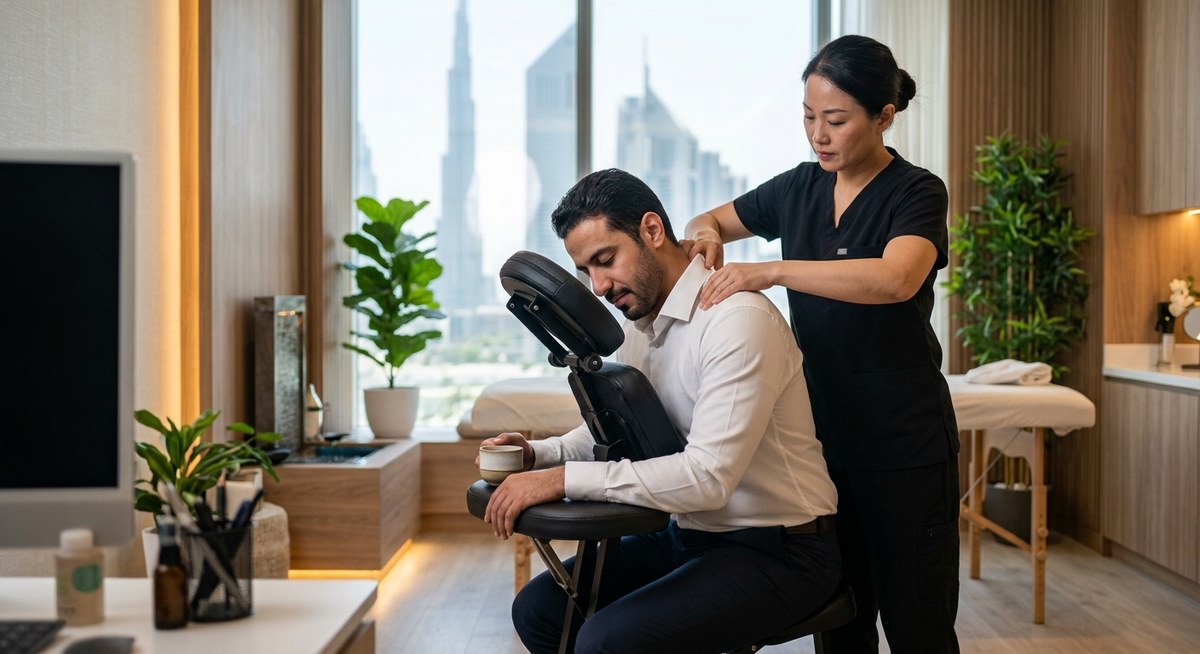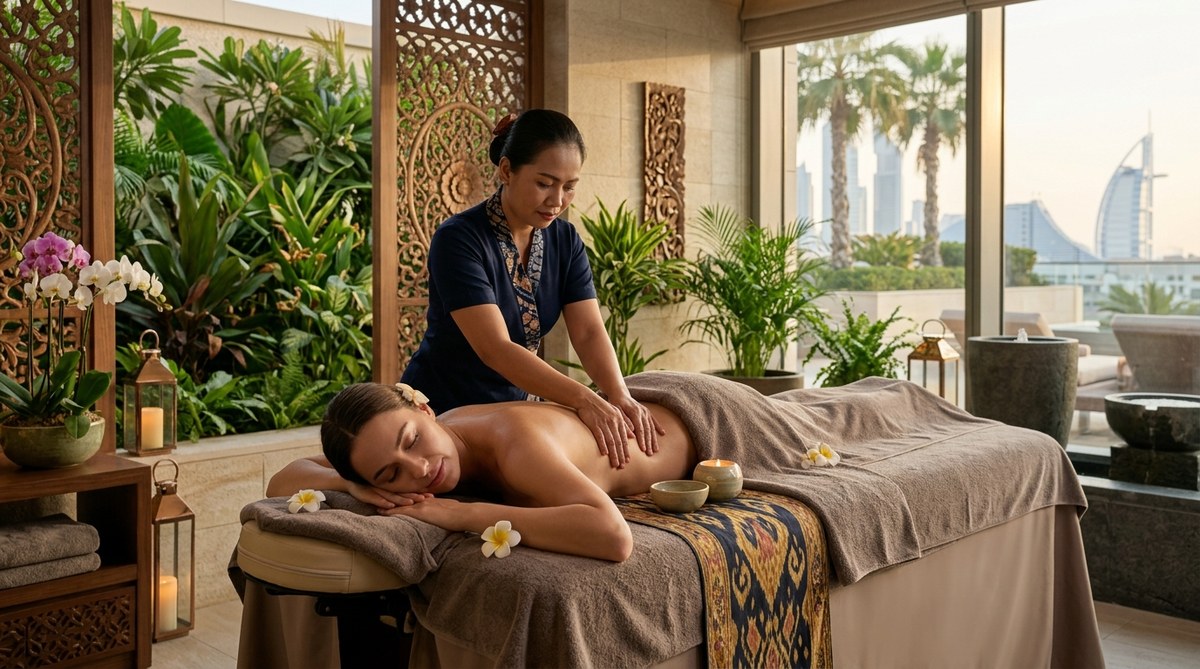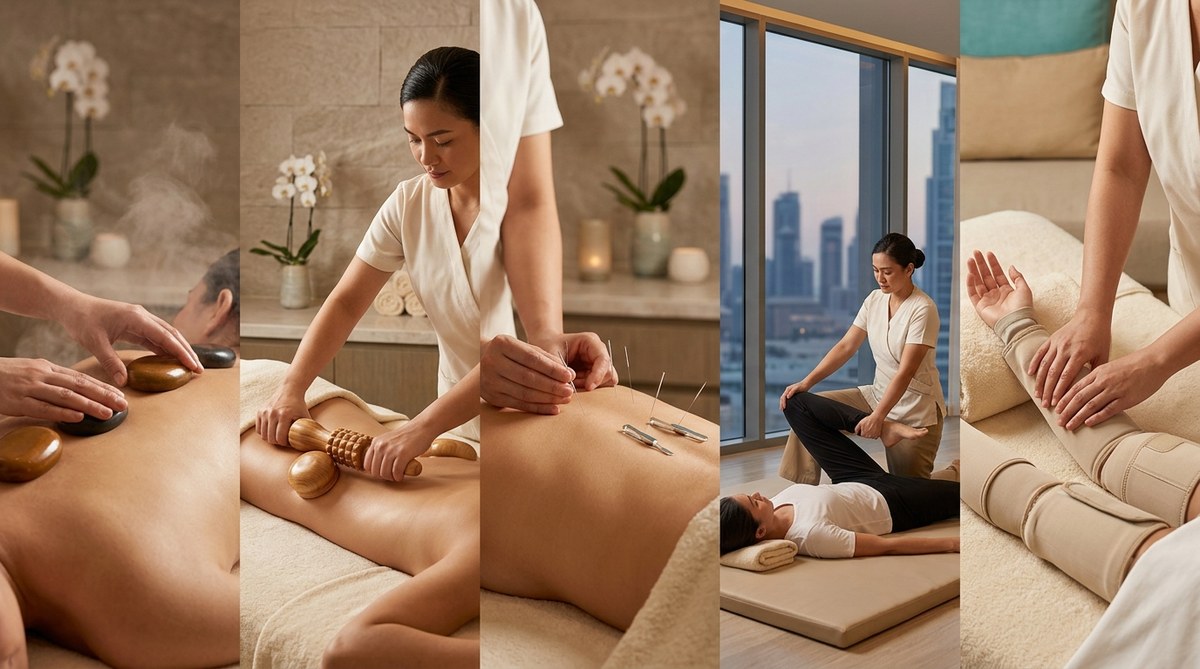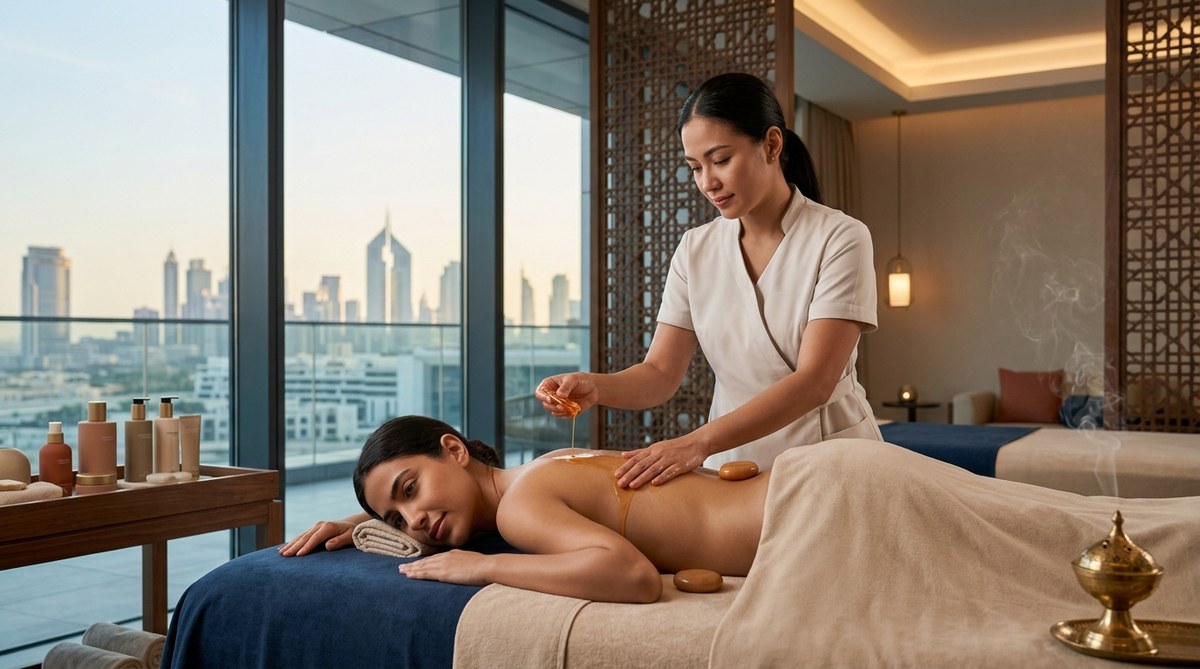
Think of the last time you stepped into a spa in Dubai, Abu Dhabi, or Sharjah. The warm air, the scent of oud and rose, the sound of trickling water. It feels timeless. That feeling is no accident. Many of the treatments you love today have roots in ancient Arabic traditions that date back centuries. Arabic massage techniques are not just about physical relief. They connect the body, the mind, and the spirit using ingredients and movements native to the Arabian Peninsula. In 2026, spas across the UAE are rediscovering these methods and pairing them with modern science. The result is a wellness experience that feels both deeply familiar and refreshingly new.
Arabic massage techniques combine ancient rituals like hammam steam baths, hijama cupping, and oil-based kneading with modern wellness practices. These methods focus on circulation, detoxification, and deep relaxation. In UAE spas, therapists use local ingredients such as black seed oil, dates, and frankincense. Whether you are a wellness enthusiast or a therapist, understanding these techniques helps you choose treatments that honour tradition while supporting your health goals in 2026.
What Makes Arabic Massage Techniques Unique
Arabic massage stands apart because of its holistic philosophy. It does not treat the body as a machine with separate parts. Instead, it views the body, mind, and spirit as one system. Many techniques trace back to Islamic medicine and the teachings of scholars like Ibn Sina (Avicenna), who wrote about the healing power of touch, warm oils, and rhythmic pressure.
The core principles include:
- Warming the body first through steam or heated oils before applying pressure
- Using prophetic ingredients such as black seed oil, olive oil, and camel milk
- Balancing energy rather than forcing muscles to release tension
- Rhythmic, flowing movements that mirror the pace of natural breathing
- Incorporating cupping or scraping for deeper detoxification
These principles make Arabic massage techniques ideal for people living in the UAE. The climate, the fast pace of city life, and the high prevalence of back and neck strain from desk work all benefit from a style of massage that prioritises circulation and grounding.
6 Arabic Massage Techniques That Work Beautifully Today
Modern spas have adapted these ancient methods to suit contemporary needs. Here are six techniques that blend Arabic tradition with 2026 wellness standards.
1. Hammam Ritual with Full Body Scrub
The hammam (steam bath) is the foundation of Arabic wellness. In a traditional hammam, the body softens in warm steam for 15 to 20 minutes. Then a therapist scrubs the skin using a kessa glove and black soap made from olive oil and dried olives.
The modern adaptation adds gentle lymphatic drainage movements after the scrub. Therapists apply argan oil or camel milk lotion to seal moisture. This technique improves circulation, removes dead skin, and prepares the body for deeper massage work.
2. Hijama Cupping Therapy
Hijama is one of the most well known Arabic massage techniques. It involves placing cups on specific points of the body to create suction. The goal is to draw stagnant blood and toxins to the surface. In traditional practice, small incisions are made before cupping. This is called wet cupping.
Modern spas in the UAE offer a dry version that uses silicone cups with adjustable suction. This method is less invasive but still provides the same benefits: reduced muscle pain, better blood flow, and a sense of lightness. Many athletes in Dubai now use dry hijama as part of their recovery routine.
3. Rhythmic Oil Massage with Black Seed Oil
Black seed oil (habbat al barakah) has been used in the Middle East for over 2,000 years. It contains thymoquinone, a compound known for its anti inflammatory properties. In Arabic massage, warm black seed oil is applied using long, flowing strokes from the spine outward.
The therapist matches the speed of each stroke to your heartbeat. This creates a hypnotic, calming effect. The oil absorbs slowly, so the benefits last long after the session ends. It is especially good for people with joint stiffness or seasonal allergies.
4. Frankincense and Myrrh Hot Compress Massage
Frankincense and myrrh are resins with deep cultural significance in the Arabian Peninsula. Their scents are grounding and their compounds reduce inflammation. In this technique, the therapist heats a mixture of these resins with a carrier oil like jojoba or coconut oil.
Cloth compresses are soaked in the warm blend and placed on the back, shoulders, and feet. The therapist then presses and glides the compresses along the muscles. This method combines the benefits of heat therapy with the aromatic properties of the resins. It is excellent for stress relief and for people who feel cold easily in air conditioned environments.
5. Camel Milk Body Wrap with Light Pressure Massage
Camel milk is rich in vitamins, minerals, and exfoliating enzymes. In Arabic massage techniques, it is used both as a drink and as a topical treatment. The modern version involves applying a camel milk mask or wrap to the body while the therapist performs a light pressure massage on the scalp and face.
The lactic acid in camel milk gently exfoliates while the massage improves circulation to the head and neck. This treatment is popular in UAE spas for its skin brightening effects and its ability to calm an overactive mind.
6. Date Sugar Scrub with Deep Tissue Movements
Dates are a staple of Arabic culture. Date sugar is less processed than regular sugar and contains trace minerals. Therapists mix date sugar with coconut oil and a pinch of cinnamon to create a scrub that exfoliates without stripping the skin.
After the scrub, the therapist uses deep tissue techniques on the shoulders and lower back. The combination of gentle abrasion and pressure helps release chronic tension. This technique is ideal for people who sit for long hours or carry stress in their upper body.
How to Choose the Right Arabic Massage Technique for Your Needs
Not every technique suits every person. Your choice depends on your goals and your current state of health. Use this table to match a technique with your needs.
| Goal | Recommended Technique | Key Benefit |
|---|---|---|
| Deep relaxation | Hammam with full body scrub | Removes physical and mental fatigue |
| Muscle pain relief | Hijama dry cupping | Reduces inflammation and improves blood flow |
| Skin health and glow | Camel milk body wrap | Exfoliates and nourishes skin |
| Stress and anxiety | Frankincense hot compress | Calms the nervous system |
| Joint stiffness | Black seed oil massage | Reduces joint pain and stiffness |
| Chronic tension | Date sugar scrub with deep tissue | Releases knots and improves mobility |
If you are new to Arabic massage techniques, start with a hammam session or a frankincense compress. These are gentle and give you a sense of what the tradition feels like. For experienced wellness seekers, hijama or black seed oil massage offer deeper therapeutic effects.
Professional Tips for Massage Therapists
If you are a massage therapist looking to add Arabic techniques to your practice, here are some practical steps.
“The beauty of Arabic massage is that it respects the body’s natural rhythm. Do not rush the warm up. Spend at least 10 minutes preparing the tissue with gentle heat and oil before any deep work. Your clients will feel the difference.” – Layla Al Mansouri, senior therapist at a Dubai wellness centre
3 Steps to Integrate Arabic Massage Techniques
-
Start with the hammam sequence. Even without a steam room, you can use warm towels and a salt scrub to prepare the skin. This signals to the nervous system that it is time to relax.
-
Use traditional oils in your sessions. Keep black seed oil, argan oil, and frankincense essential oil in your treatment room. Educate clients on the cultural significance. This adds value and builds trust.
-
Pair cupping with guided breathing. Ask clients to exhale slowly as you apply each cup. This reduces any anxiety and improves the suction effect. Follow up with a warm oil massage to soothe the skin.
Therapists in the UAE are finding that clients crave authenticity. People want to know the story behind the treatment. When you explain that black seed oil was used by the Prophet Muhammad (PBUH) for healing, it creates a deeper connection to the experience.
Common Mistakes to Avoid
Practitioners sometimes make errors when adapting Arabic massage techniques for modern spas. Here are the most common ones and how to avoid them.
- Using cold oils. Warm oil is essential. Cold oil shocks the muscles and contradicts the tradition. Always heat the oil in a warmer or with your hands before application.
- Skipping the steam or warm towels. Arabic massage techniques always begin with heat. Without it, the muscles remain tight and the oil does not absorb well.
- Applying too much pressure too soon. Arabic massage favours incremental pressure. Start light and build up slowly based on the client’s feedback.
- Ignoring the spiritual aspect. Even if you are not religious, acknowledge that these techniques come from a tradition that values intention (niyyah). A moment of silence or gratitude before starting can enhance the experience.
- Using synthetic fragrances. Traditional Arabic massage uses natural scents like oud, rose, and sandalwood. Synthetic perfumes can irritate the skin and cheapen the experience.
The Modern Wellness Connection
Arabic massage techniques are not static. They evolve. In 2026, many UAE spas are combining these methods with modern technologies like infrared heat, hydrotherapy jets, and pressure point mapping. The result is a fusion that respects the past while serving the present.
For example, some spas now offer a “smart hammam” where the steam room adjusts temperature based on your heart rate. After the steam, a therapist performs a traditional kessa scrub while a guided meditation plays through waterproof speakers. This blend of old and new appeals to both Emiratis and expats who want authentic experiences but expect modern comfort.
If you are interested in discovering the most popular massage types in the UAE for ultimate relaxation, you will find that many of them borrow from Arabic traditions. Similarly, transforming your wellness routine with these unique massage techniques often starts with learning about the ingredients and rituals that make Arabic massage special.
Where to Experience Arabic Massage Techniques in the UAE
You do not need to travel far to find authentic treatments. From luxury resorts in Abu Dhabi to boutique wellness centres in Sharjah, Arabic massage techniques are widely available. Here are a few tips for finding the right place.
- Look for spas that list “hammam ritual” or “Arabic massage” on their menu. Avoid places that use these terms only as marketing without proper training.
- Ask about the oils they use. A quality spa will use cold pressed black seed oil, pure argan oil, and natural resins.
- Check if the therapist has training in traditional methods. Some spas offer certifications in Arabic massage. Therapists with this background are more likely to perform the techniques correctly.
For a full list of options, explore the different types of massage therapies available in the UAE for deep relaxation. You will find both traditional and modern interpretations side by side.
Bringing Arabic Traditions into Your Daily Self Care
You can also enjoy the benefits of Arabic massage techniques at home. Here is a simple routine you can do once a week.
- Warm a tablespoon of black seed oil between your palms.
- Sit in a quiet room and take five deep breaths.
- Massage the oil into your feet, ankles, and lower legs using upward strokes.
- Move to your hands and arms, then your shoulders and neck.
- Finish by placing your palms over your eyes and breathing slowly for one minute.
This ritual takes less than 10 minutes. It grounds you, improves circulation, and connects you to a tradition that has supported wellbeing for generations.
Your Next Step in Arabic Massage
Arabic massage techniques offer a path to wellness that is both ancient and perfectly suited for 2026. Whether you visit a professional spa or practice at home, these methods help you slow down, breathe deeper, and feel more connected to your body. The next time you book a treatment, ask your therapist about the traditions behind the oils and movements. You might discover a new layer of relaxation you did not know was missing.